
Guidance & Support

Early Years Inclusion and SEND (EYIS)
Warwickshire's Early Years Inclusion and SEND team, previously known as the Integrated Disability Service, offers specialist support for children aged 0 to 5 with additional needs. Find out how St Andrew's Day Nursery works in partnership with parents, carers and the EYIS team to make sure every child receives the right support.
Speech, Language and Communication
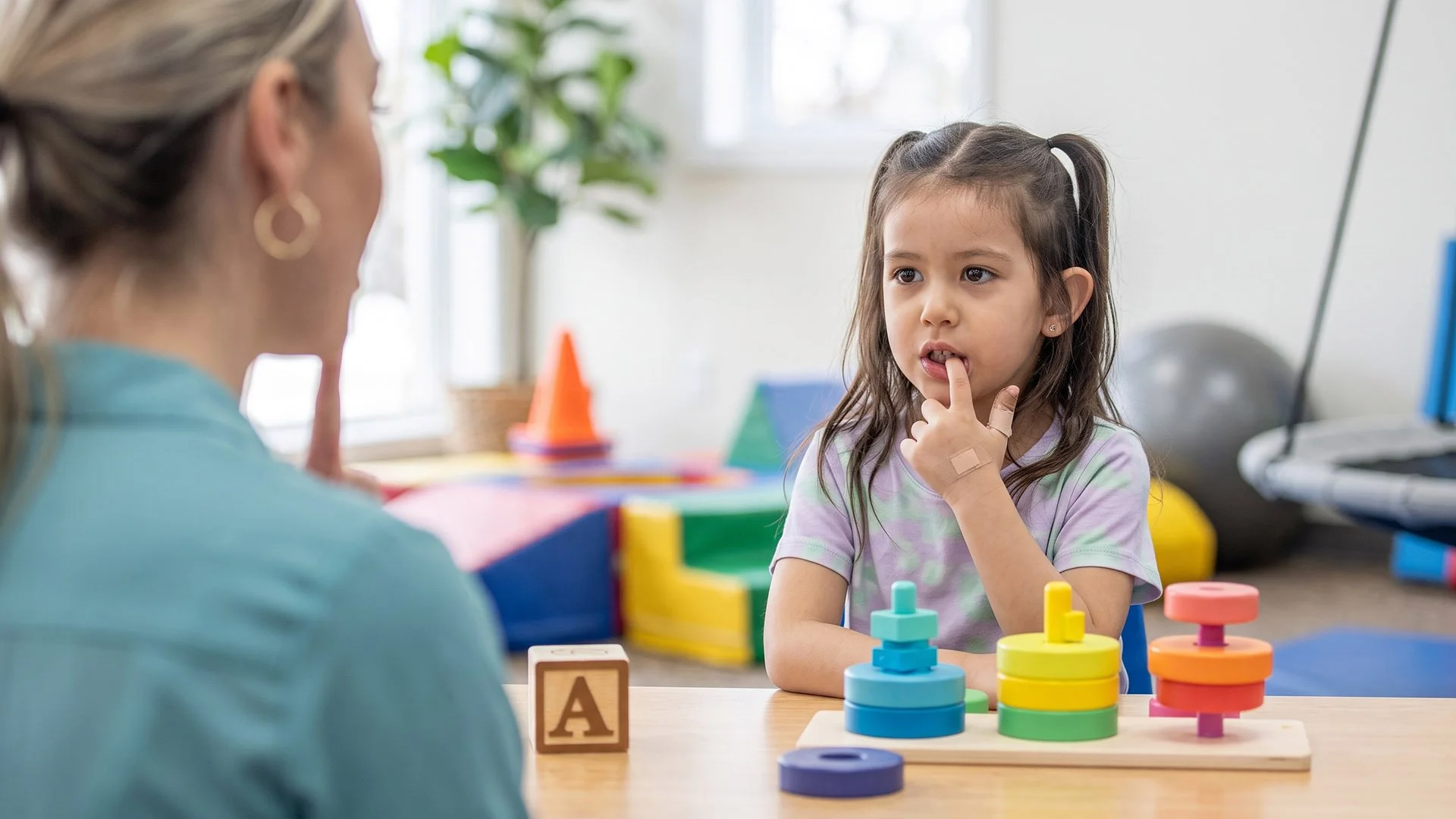
Communication and language underpin so much of a child's learning. Find out how St Andrew's Day Nursery supports children's speech, language and communication every day, works closely with parents and carers when concerns arise, and helps families access Warwickshire's Speech and Language Therapy service.

Recipes You Can Use at Home
We love to bake and make cooking a regular part of our weekly routines in every room. It’s a wonderful way for children to explore new textures, develop fine motor skills, and learn about healthy eating. All of our recipes are created in line with EYFS guidance, meaning they’re free from added sugar and salt, perfect for little ones to enjoy safely. Take a look at some of our healthy baking recipes that you can try at home too! We hope you have as much fun making them as we do.

Prevention of Accidents
Childhood exploration naturally involves some risk, but many accidents can be prevented through awareness and proactive safety measures. Understanding potential hazards and implementing careful supervision are crucial for protecting children as they discover and interact with their environment. By educating themselves about common risks, learning prevention techniques, and creating safe spaces, parents and caregivers can significantly reduce the likelihood of serious accidents while still allowing children the freedom to learn and grow.

Weaning
Weaning is a significant milestone in a child's nutritional development, typically beginning around six months of age. This gradual process involves introducing solid foods alongside continued formula or breast milk, not as a replacement. Parents should look for developmental signs that their child is ready to start solid foods, such as improved head control and sitting support. Consulting healthcare professionals like health visitors can provide personalised guidance to ensure a smooth and nutritious transition to more diverse eating habits.

Physical Activity Guidelines for Children Under 5
Physical activity is crucial for children's development from infancy through early childhood. Babies benefit from activities like tummy time and encouraged movement, while toddlers and pre-schoolers require at least three hours of active play daily. These activities can include crawling, walking, jumping, climbing, and swimming. The guidelines emphasise the importance of avoiding prolonged periods of inactivity, recognising that regular movement supports physical, cognitive, and social development in young children.

Oral Health
Oral health is a critical aspect of a child's overall wellbeing, influencing their ability to eat, speak, play, and socialise. Establishing good dental hygiene habits from an early age can prevent tooth decay, the most common oral disease in children. By introducing toothbrushing early, using fun techniques like visual timers, guiding proper brushing techniques, and making dental visits positive experiences, parents can help children develop lifelong oral health habits. Regular brushing, using fluoride toothpaste, limiting sugary drinks, and leading by example are key to maintaining healthy teeth and gums.

Healthy Eating
Promoting healthy eating habits in young children requires a holistic and positive approach. By creating relaxed mealtimes, modelling nutritious food choices, and engaging children through interactive discussions and activities, parents can nurture a healthy relationship with food. At St Andrews Nursery, our dedicated chef prepares fresh, balanced meals that cater to individual dietary needs, ensuring children receive nutritious and varied meals that support their overall wellbeing and development.

Early Help and Support For Parents
Early help services in Warwickshire aim to support families by improving outcomes and addressing challenges before they escalate. These services are available to all children, young people, and families, focusing on providing targeted assistance for those experiencing difficulties such as behavioural issues, mental health challenges, or complex family circumstances. The comprehensive support network includes universal access to services like health visitors, school staff, family support workers, and various resources designed to help families navigate challenges and prepare children for successful adult life.

Useful Links for Support
This collection of carefully curated resources provides parents with essential guidance on child health, nutrition, safety, and wellbeing. The links offer professional advice from trusted organisations like the NSPCC, NHS, and KidsHealth, covering critical topics such as child nutrition, physical activity guidelines, household safety, parental health, and support services, empowering parents with reliable information to support their children's development and family welfare.

Infectious Illnesses in Young Children
Managing infectious illnesses in young children is crucial for maintaining health and preventing the spread of disease. This resource provides comprehensive guidance from the NHS, offering parents essential information about common childhood illnesses. The link offers valuable insights into infection periods, prevention strategies, and appropriate treatment methods, empowering parents to make informed decisions about their child's health and wellbeing.

Safeguarding Guide for Parents
Protecting children from potential harm begins with open, age-appropriate conversations about personal safety. By educating young children about boundaries, appropriate behaviour, and understanding what constitutes safe and unsafe interactions, parents can empower their children with crucial knowledge. These early discussions help children develop awareness and confidence in recognising and reporting situations that may compromise their wellbeing, laying the foundation for lifelong personal safety.