
Guidance & Support

Weaning
Weaning is a significant milestone in a child's nutritional development, typically beginning around six months of age. This gradual process involves introducing solid foods alongside continued formula or breast milk, not as a replacement. Parents should look for developmental signs that their child is ready to start solid foods, such as improved head control and sitting support. Consulting healthcare professionals like health visitors can provide personalised guidance to ensure a smooth and nutritious transition to more diverse eating habits.

Physical Activity Guidelines for Children Under 5
Physical activity is crucial for children's development from infancy through early childhood. Babies benefit from activities like tummy time and encouraged movement, while toddlers and pre-schoolers require at least three hours of active play daily. These activities can include crawling, walking, jumping, climbing, and swimming. The guidelines emphasise the importance of avoiding prolonged periods of inactivity, recognising that regular movement supports physical, cognitive, and social development in young children.
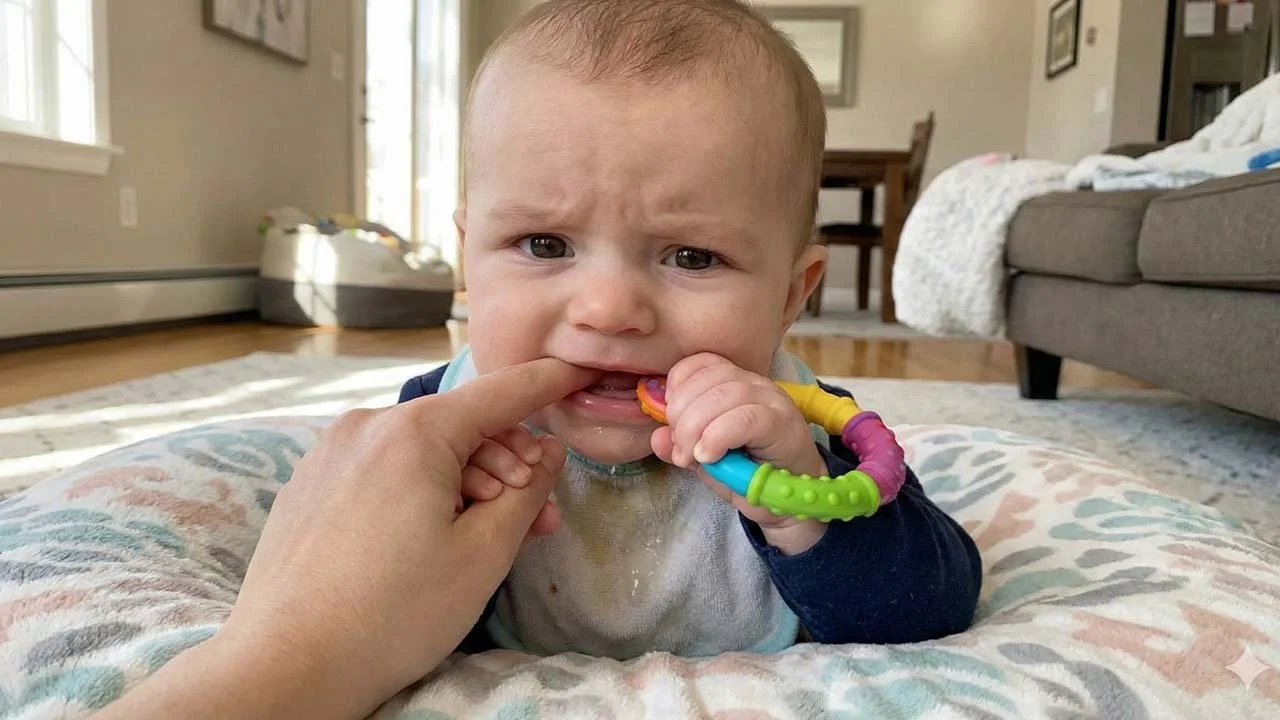
Support for Young Children Who Are Teething
Teething is a challenging developmental stage that can cause discomfort for both babies and parents. By accessing professional guidance from reliable sources like the NHS, parents can learn effective strategies to soothe their baby's sore gums and provide comfort during this difficult period. Understanding the signs of teething and knowing how to manage the associated symptoms can help make this natural process more manageable for the entire family.