
Guidance & Support
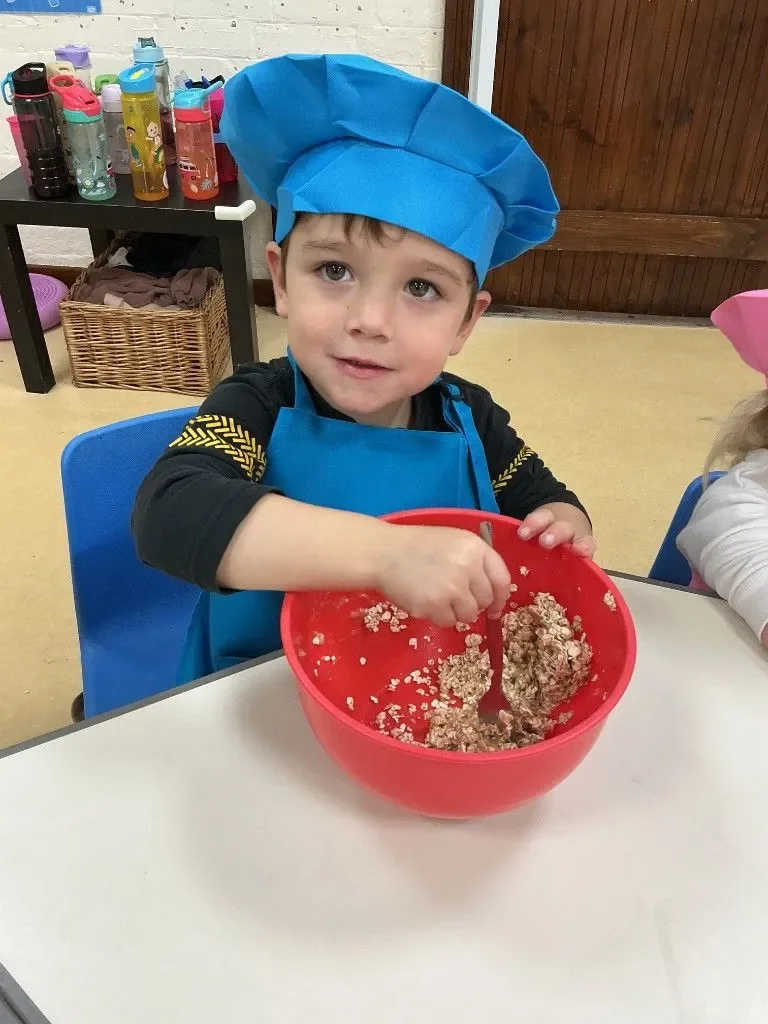
Recipes You Can Use at Home
We love to bake and make cooking a regular part of our weekly routines in every room. It’s a wonderful way for children to explore new textures, develop fine motor skills, and learn about healthy eating. All of our recipes are created in line with EYFS guidance, meaning they’re free from added sugar and salt, perfect for little ones to enjoy safely. Take a look at some of our healthy baking recipes that you can try at home too! We hope you have as much fun making them as we do.
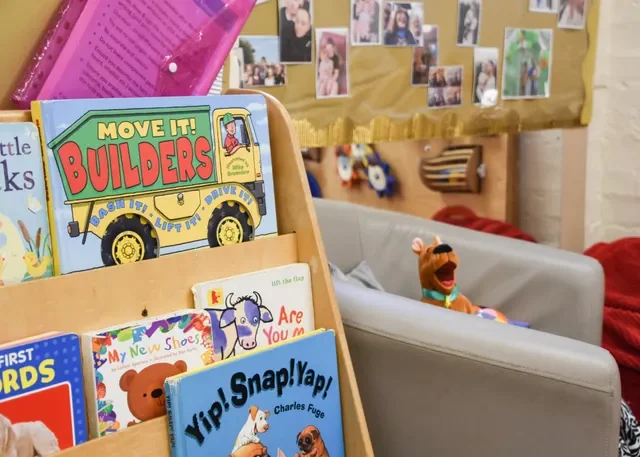
Starting Your Child With Us
Introducing your child to nursery is a carefully managed process designed to ensure a smooth and comfortable transition. Through a series of structured "Stay and Play" sessions, children are gradually integrated into their new environment, allowing them to build relationships with staff and peers. The nursery's keyworker system provides personalised support, focusing on each child's individual development and maintaining open communication with parents through regular updates and parent evenings.
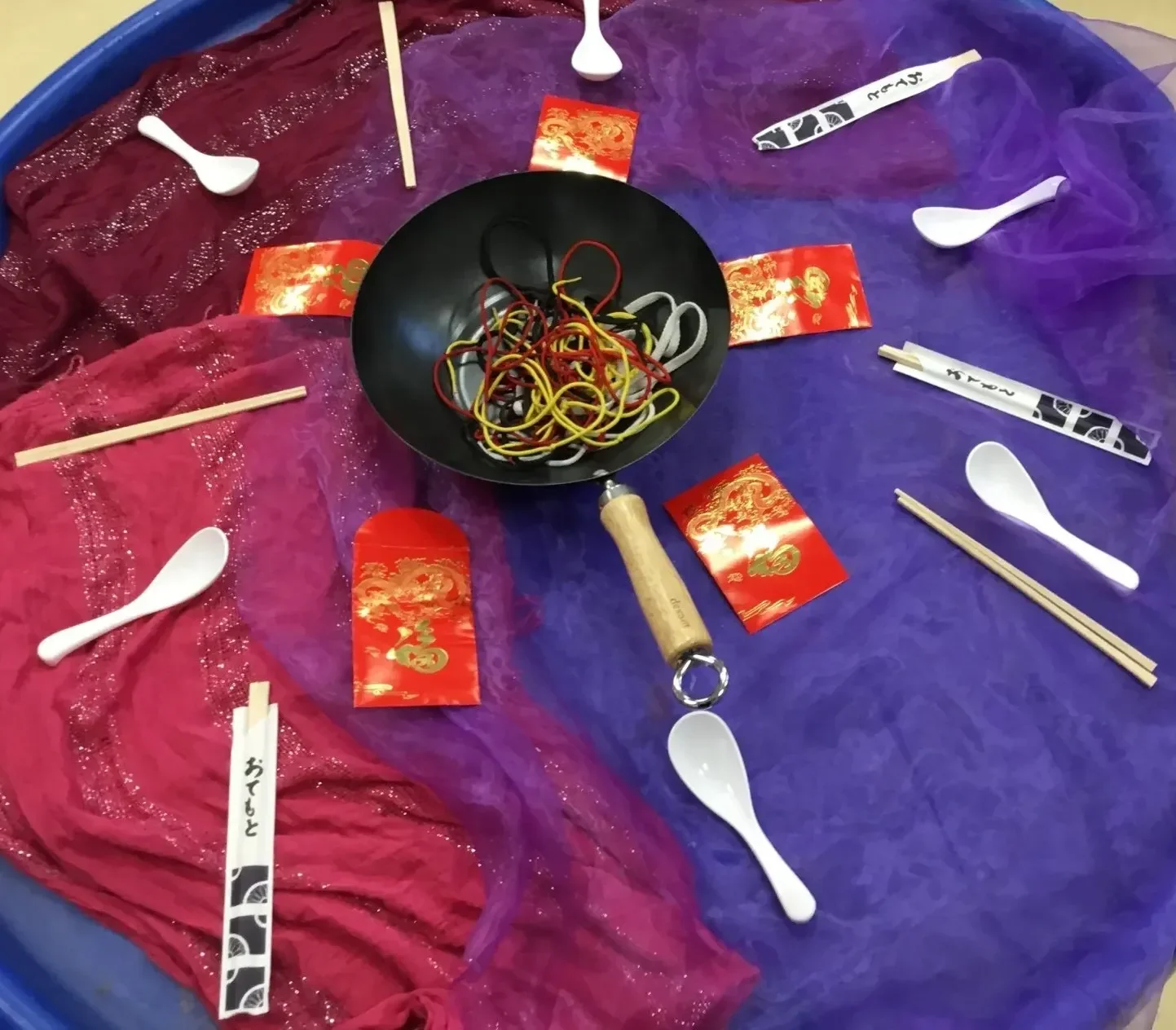
Learning Experiences
Famly serves as St Andrews Nursery's innovative digital learning journal and communication platform, offering parents real-time insights into their child's nursery experiences. Through this interactive tool, staff can share photos, videos, and learning observations, while parents are encouraged to contribute their own moments of childhood milestone achievements. The platform provides flexibility for digital or traditional documentation, ensuring every family can engage with their child's developmental journey in a way that suits their preferences.
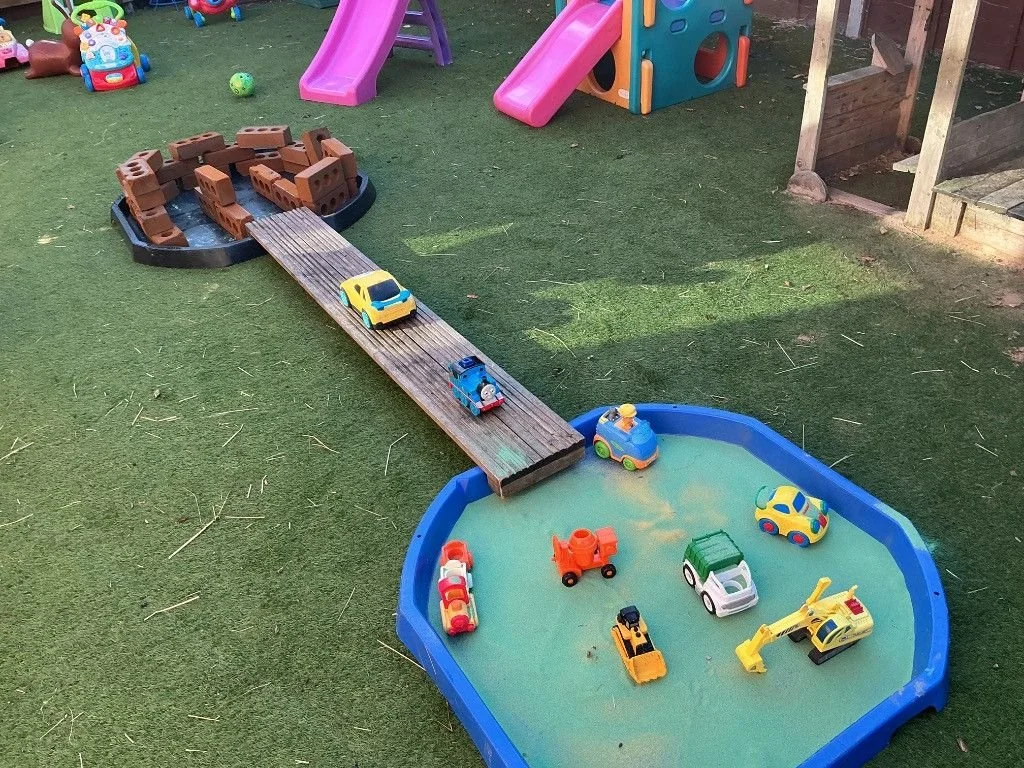
Activities & Routines
St Andrews Nursery offers a dynamic and enriching learning environment that embraces children's natural curiosity through innovative educational approaches. The nursery provides a diverse range of experiences centred around the Early Years Foundation Stage, including exploration of festivals, seasons, creative play, and music. With an expansive outdoor provision that serves as an extended classroom, children engage in hands-on learning, developing motor skills, teamwork, and understanding of the natural world through activities like mud kitchen play and gardening.

What Do Ofsted Have To Say About Our Nursery?
St Andrews Day Nursery has achieved an outstanding Ofsted rating, demonstrating exceptional excellence in early years education. The comprehensive inspection highlights the nursery's remarkable approach to child development, with particular praise for its innovative communication strategies, exemplary support for children with special educational needs, and a nurturing environment that fosters independence and holistic growth. The nursery's commitment to creating a safe, stimulating, and inclusive space sets a new standard for high-quality childcare.

Safeguarding at St. Andrew’s
St Andrews Nursery is committed to ensuring the safety, welfare, and holistic development of every child in its care. Through robust safeguarding procedures, the nursery works collaboratively with children, parents, external agencies, and the community to protect children from potential harm. The Designated Safeguarding Leads play a crucial role in providing support, guidance, and protection, ensuring a safe environment that promotes respect, tolerance, and the fundamental right of children to thrive without experiencing abuse in any form.

Hazardous Weather Conditions
St Andrews Nursery recognises that extreme weather can occasionally necessitate temporary closure to ensure the safety of staff and children. In such rare circumstances, the nursery will make careful, considered decisions about closure, prioritising safe travel and maintaining appropriate staffing ratios. Parents will be promptly informed through multiple communication channels, including email, Famly, and the nursery's Facebook page, to ensure clear and timely updates during challenging weather conditions.
Early Years Funding at Our Nursery
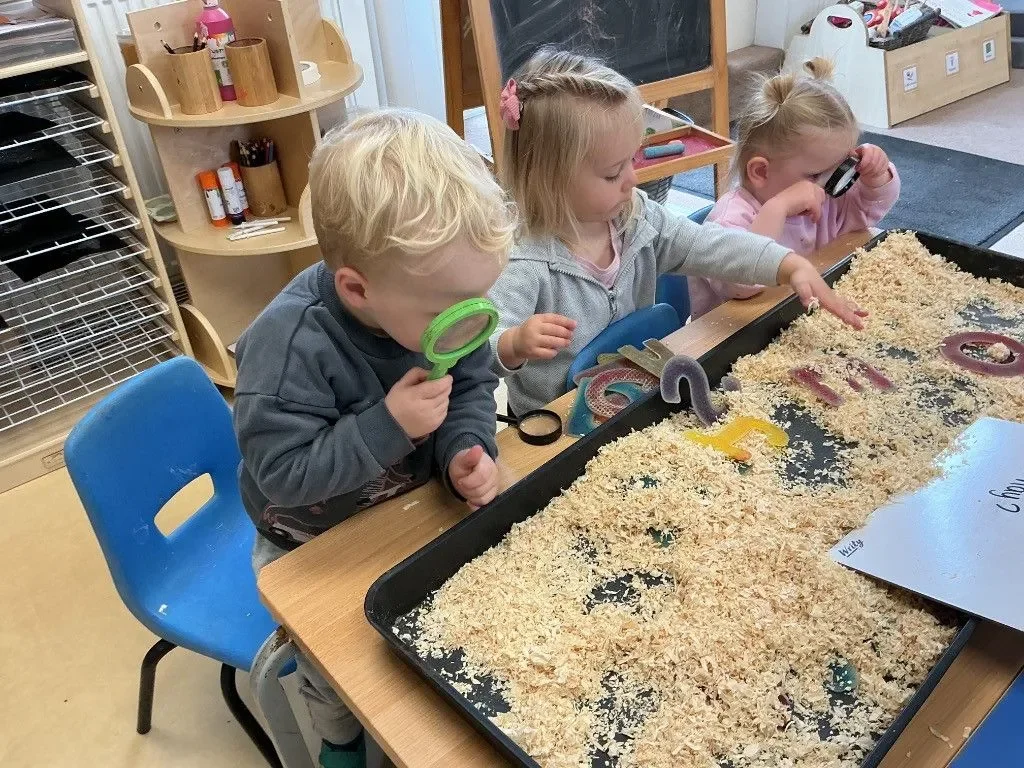
St Andrews Nursery is committed to supporting families by offering comprehensive government early years funding entitlements. From 9 months old, eligible children can access 15 or 30 hours of free childcare, with additional support through Early Years Pupil Premium and Disability Access Fund. The nursery streamlines the funding process using user-friendly platforms like Famly and Funding Loop, making it convenient for parents to manage invoices, declarations, and payments while ensuring every child receives the necessary support to flourish.

Prevention of Accidents
Childhood exploration naturally involves some risk, but many accidents can be prevented through awareness and proactive safety measures. Understanding potential hazards and implementing careful supervision are crucial for protecting children as they discover and interact with their environment. By educating themselves about common risks, learning prevention techniques, and creating safe spaces, parents and caregivers can significantly reduce the likelihood of serious accidents while still allowing children the freedom to learn and grow.
Weaning
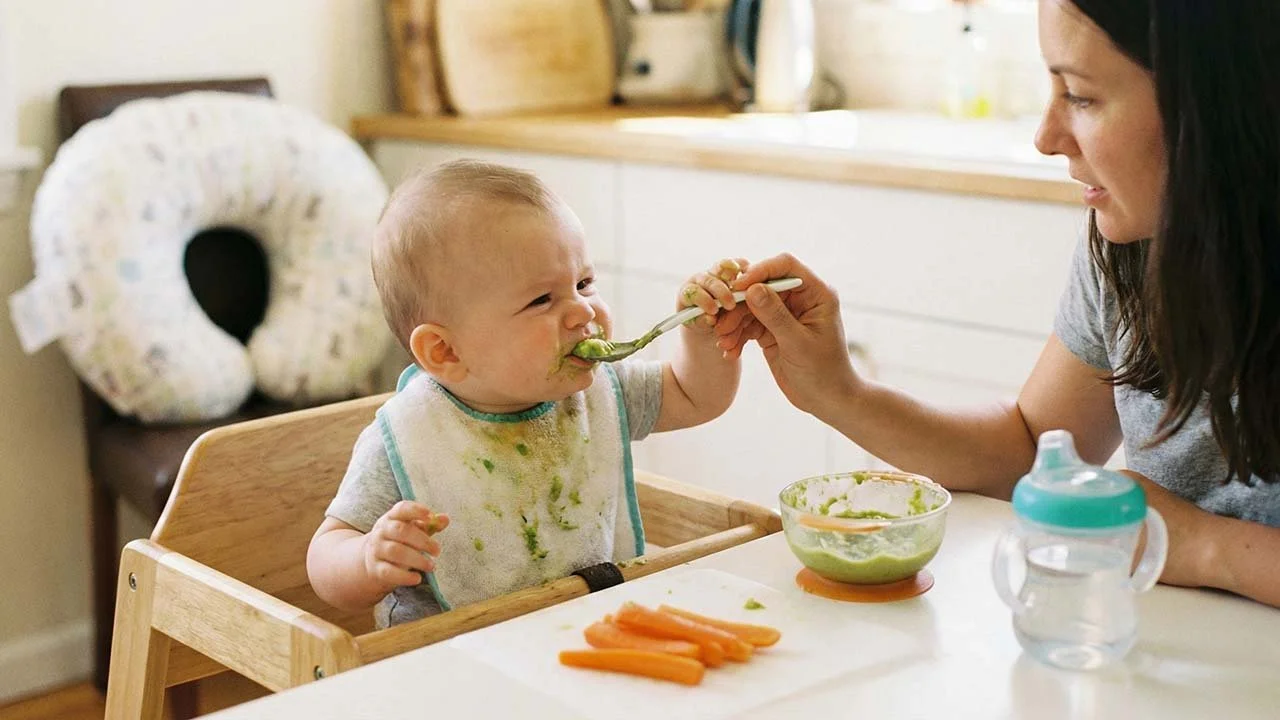
Weaning is a significant milestone in a child's nutritional development, typically beginning around six months of age. This gradual process involves introducing solid foods alongside continued formula or breast milk, not as a replacement. Parents should look for developmental signs that their child is ready to start solid foods, such as improved head control and sitting support. Consulting healthcare professionals like health visitors can provide personalised guidance to ensure a smooth and nutritious transition to more diverse eating habits.

Physical Activity Guidelines for Children Under 5
Physical activity is crucial for children's development from infancy through early childhood. Babies benefit from activities like tummy time and encouraged movement, while toddlers and pre-schoolers require at least three hours of active play daily. These activities can include crawling, walking, jumping, climbing, and swimming. The guidelines emphasise the importance of avoiding prolonged periods of inactivity, recognising that regular movement supports physical, cognitive, and social development in young children.

Oral Health
Oral health is a critical aspect of a child's overall wellbeing, influencing their ability to eat, speak, play, and socialise. Establishing good dental hygiene habits from an early age can prevent tooth decay, the most common oral disease in children. By introducing toothbrushing early, using fun techniques like visual timers, guiding proper brushing techniques, and making dental visits positive experiences, parents can help children develop lifelong oral health habits. Regular brushing, using fluoride toothpaste, limiting sugary drinks, and leading by example are key to maintaining healthy teeth and gums.
Healthy Eating
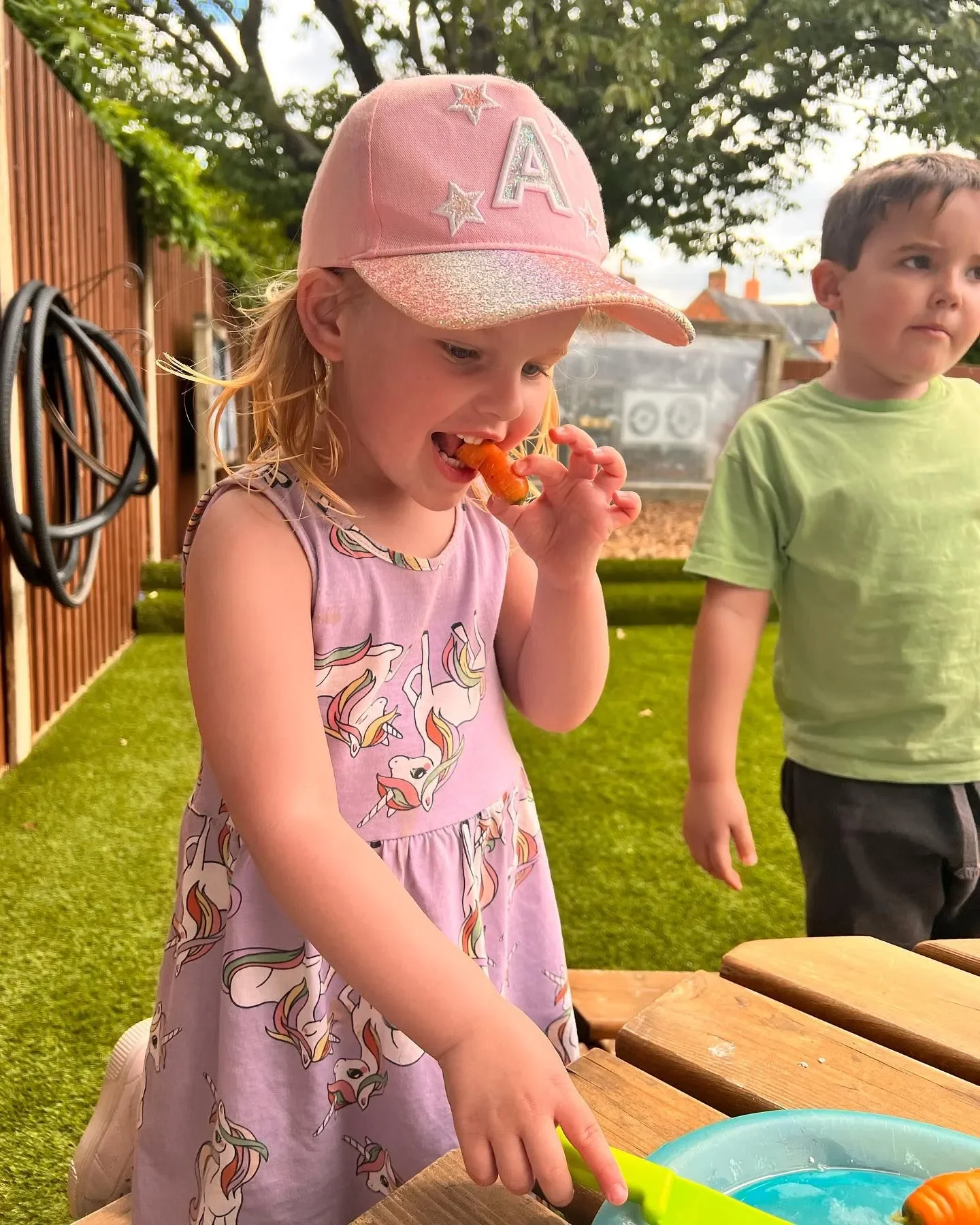
Promoting healthy eating habits in young children requires a holistic and positive approach. By creating relaxed mealtimes, modelling nutritious food choices, and engaging children through interactive discussions and activities, parents can nurture a healthy relationship with food. At St Andrews Nursery, our dedicated chef prepares fresh, balanced meals that cater to individual dietary needs, ensuring children receive nutritious and varied meals that support their overall wellbeing and development.

Special Educational Needs and Learning Difficulties (SEND)
At St Andrews Day Nursery, we are committed to individualised support for children with special educational needs and learning differences. Our dedicated SENCO (Special Educational Needs Co-ordinator) works collaboratively with practitioners, parents, and external professionals to ensure each child receives tailored support that promotes their unique developmental journey. By focusing on personalised strategies and maintaining close communication with families, we strive to create an inclusive environment where every child can thrive and reach their full potential.
Supporting Emotional Wellbeing and Behaviour
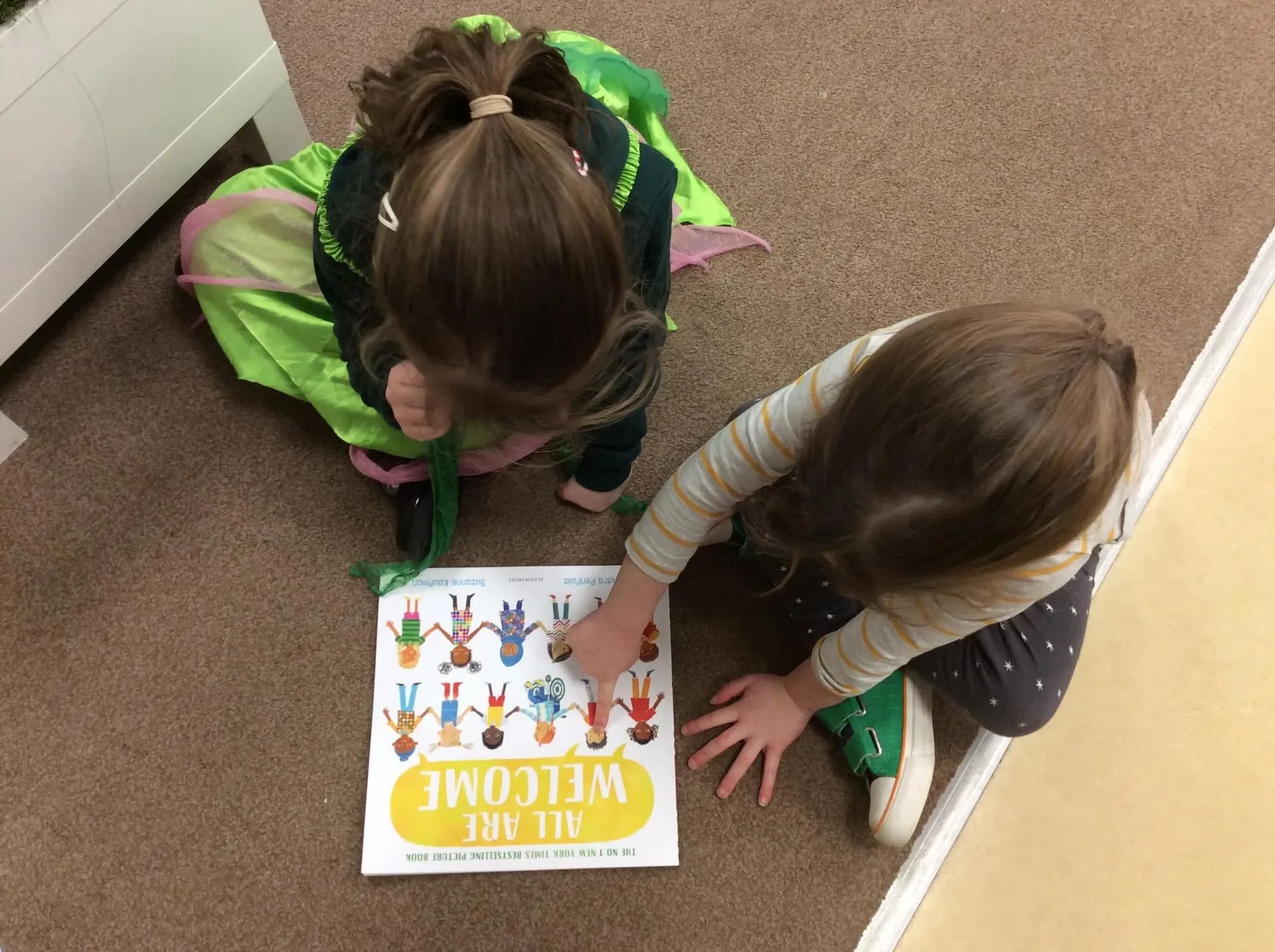
St Andrews Nursery adopts a compassionate and holistic approach to supporting children's emotional development and behaviour. Recognising that children learn social norms through experience, the nursery provides a supportive environment with carefully designed "Regulation Stations" that help children express and manage their emotions. Through positive role modelling, consistent boundaries, and individualised support from their emotional wellbeing worker, the nursery helps children develop self-regulation skills, social awareness, and emotional intelligence in a safe and nurturing setting.

Early Help and Support For Parents
Early help services in Warwickshire aim to support families by improving outcomes and addressing challenges before they escalate. These services are available to all children, young people, and families, focusing on providing targeted assistance for those experiencing difficulties such as behavioural issues, mental health challenges, or complex family circumstances. The comprehensive support network includes universal access to services like health visitors, school staff, family support workers, and various resources designed to help families navigate challenges and prepare children for successful adult life.

Useful Links for Support
This collection of carefully curated resources provides parents with essential guidance on child health, nutrition, safety, and wellbeing. The links offer professional advice from trusted organisations like the NSPCC, NHS, and KidsHealth, covering critical topics such as child nutrition, physical activity guidelines, household safety, parental health, and support services, empowering parents with reliable information to support their children's development and family welfare.

Preventing Biting in Early Years
Understanding and managing biting behaviour in young children requires patience and strategic approaches. Children often bite due to limited language skills and difficulty expressing emotions. By identifying triggers, offering alternative oral stimulation, using distraction techniques, teaching appropriate communication, and consistently reinforcing positive behaviour, parents can help children learn to manage their frustrations more effectively. The key is to approach the issue with understanding, providing clear guidance and supportive intervention.

Infectious Illnesses in Young Children
Managing infectious illnesses in young children is crucial for maintaining health and preventing the spread of disease. This resource provides comprehensive guidance from the NHS, offering parents essential information about common childhood illnesses. The link offers valuable insights into infection periods, prevention strategies, and appropriate treatment methods, empowering parents to make informed decisions about their child's health and wellbeing.
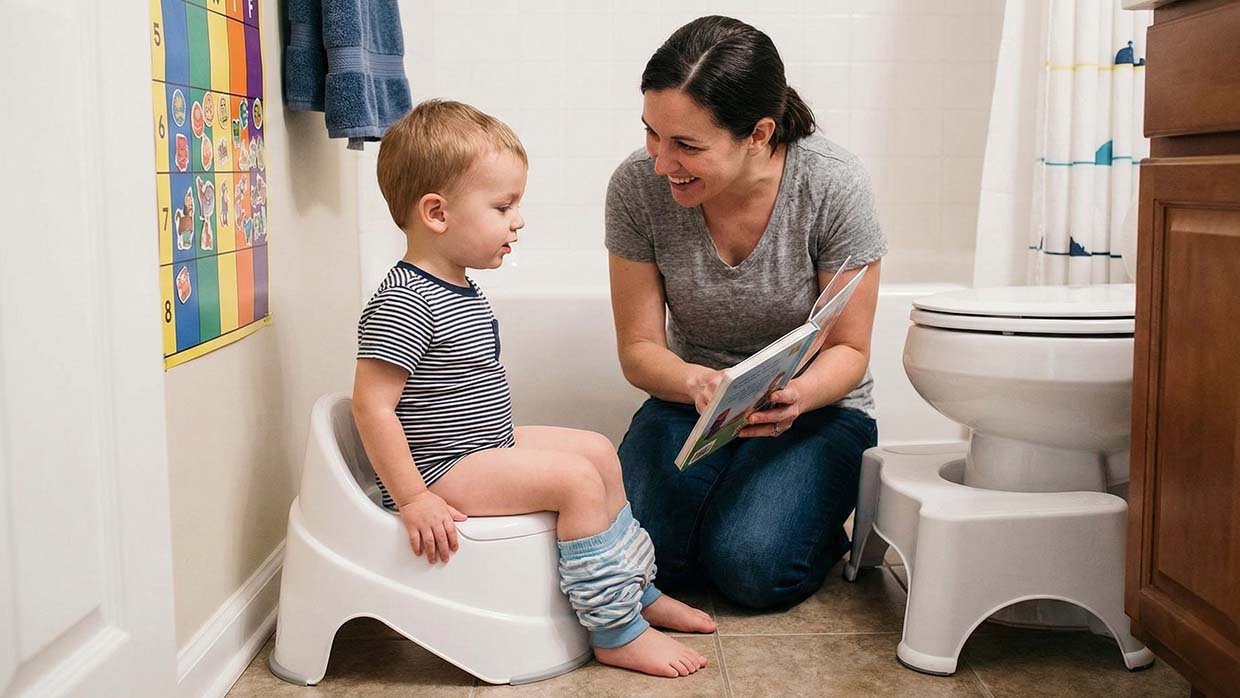
Supporting Your Child with Potty Training
Potty training is a significant developmental milestone that varies for each child, typically occurring between two and three years of age. Successful potty training requires recognising your child's readiness through signals like communication about bodily needs, understanding toilet purpose, and demonstrating good bladder control. The process demands patience, understanding, and a supportive approach, ensuring both parent and child feel comfortable and confident during this important transition in a child's development.