
Guidance & Support

Physical Activity Guidelines for Children Under 5
Physical activity is crucial for children's development from infancy through early childhood. Babies benefit from activities like tummy time and encouraged movement, while toddlers and pre-schoolers require at least three hours of active play daily. These activities can include crawling, walking, jumping, climbing, and swimming. The guidelines emphasise the importance of avoiding prolonged periods of inactivity, recognising that regular movement supports physical, cognitive, and social development in young children.
Supporting Emotional Wellbeing and Behaviour
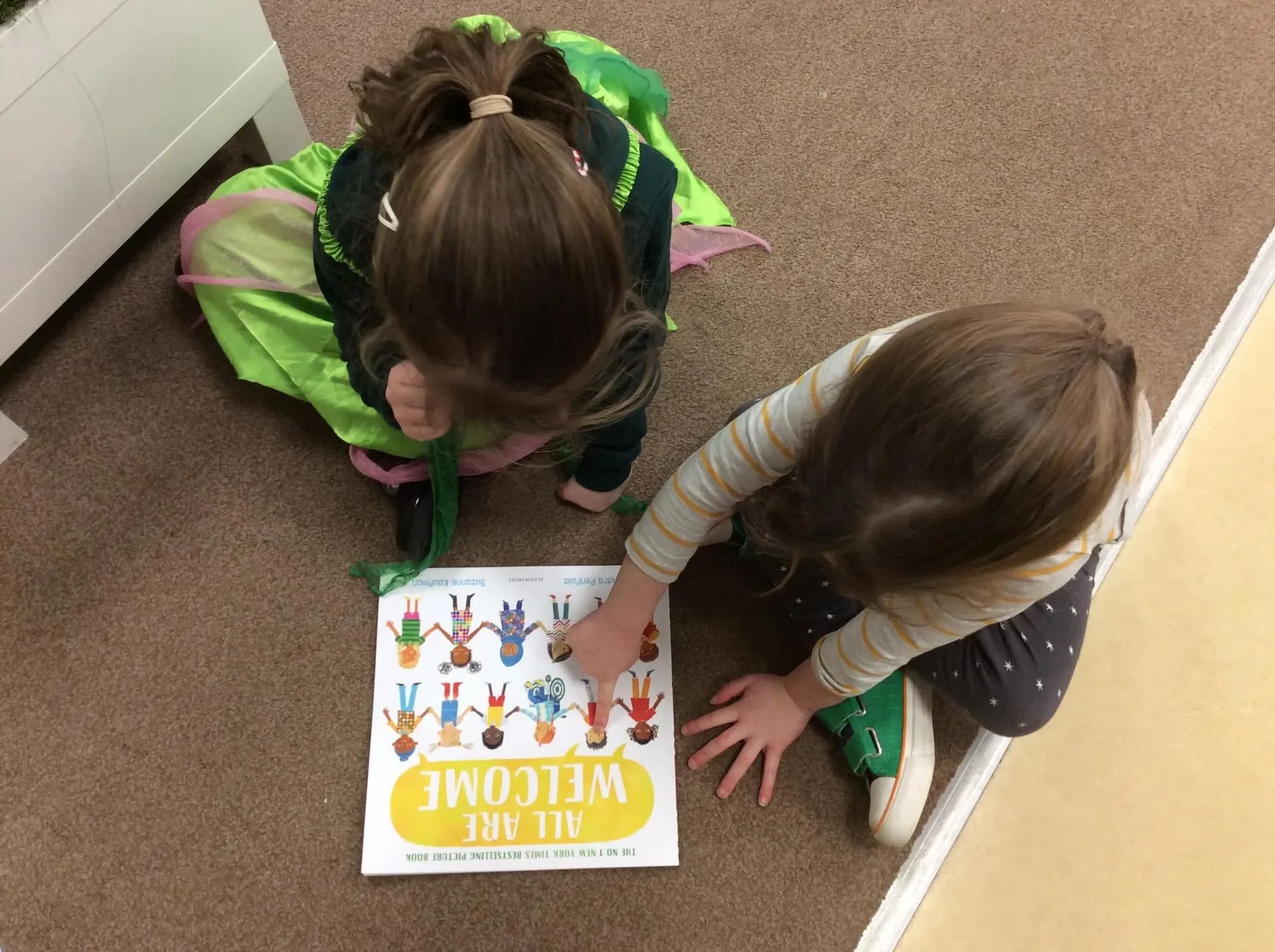
St Andrews Nursery adopts a compassionate and holistic approach to supporting children's emotional development and behaviour. Recognising that children learn social norms through experience, the nursery provides a supportive environment with carefully designed "Regulation Stations" that help children express and manage their emotions. Through positive role modelling, consistent boundaries, and individualised support from their emotional wellbeing worker, the nursery helps children develop self-regulation skills, social awareness, and emotional intelligence in a safe and nurturing setting.
Preventing Biting in Early Years
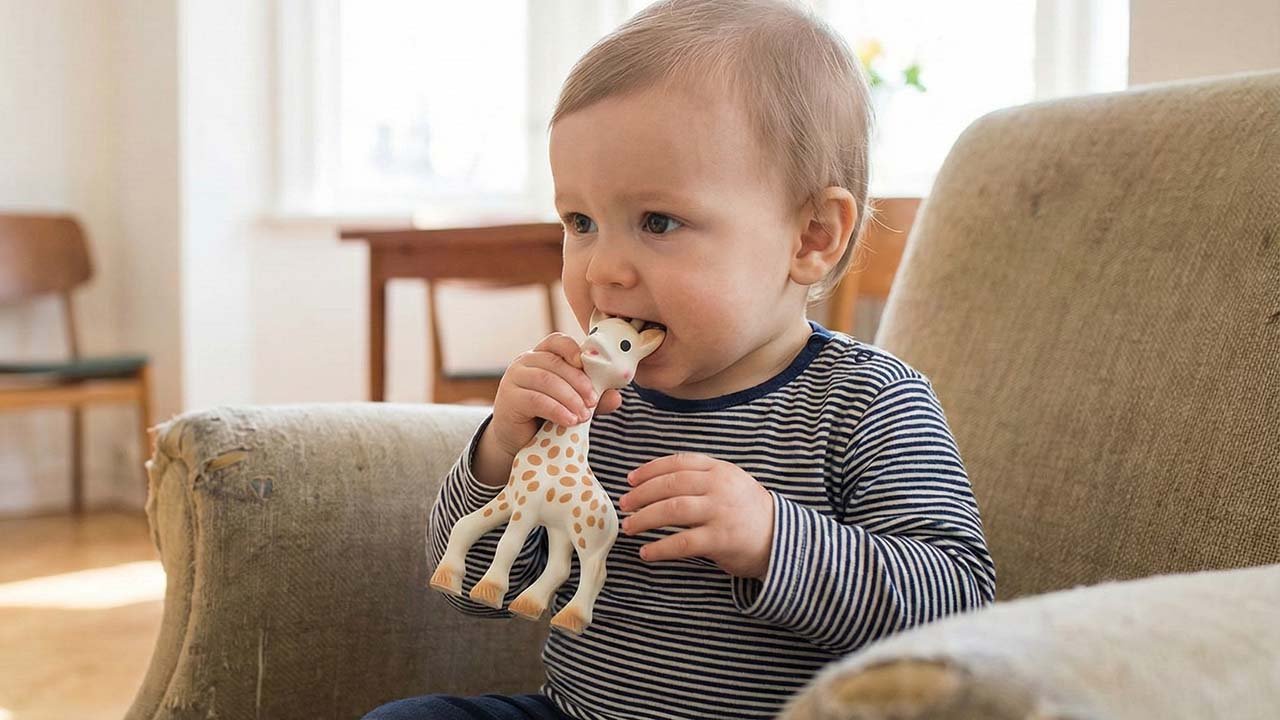
Understanding and managing biting behaviour in young children requires patience and strategic approaches. Children often bite due to limited language skills and difficulty expressing emotions. By identifying triggers, offering alternative oral stimulation, using distraction techniques, teaching appropriate communication, and consistently reinforcing positive behaviour, parents can help children learn to manage their frustrations more effectively. The key is to approach the issue with understanding, providing clear guidance and supportive intervention.
Supporting Your Child with Potty Training
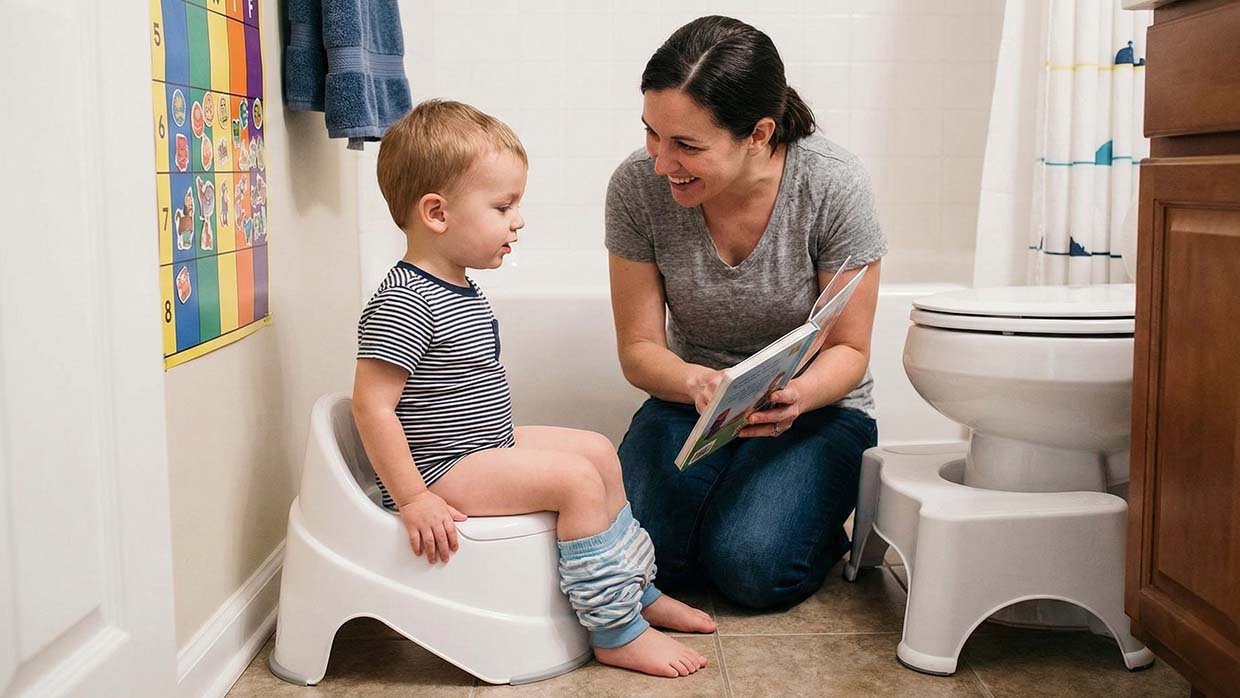
Potty training is a significant developmental milestone that varies for each child, typically occurring between two and three years of age. Successful potty training requires recognising your child's readiness through signals like communication about bodily needs, understanding toilet purpose, and demonstrating good bladder control. The process demands patience, understanding, and a supportive approach, ensuring both parent and child feel comfortable and confident during this important transition in a child's development.
Support for Young Children Who Are Teething
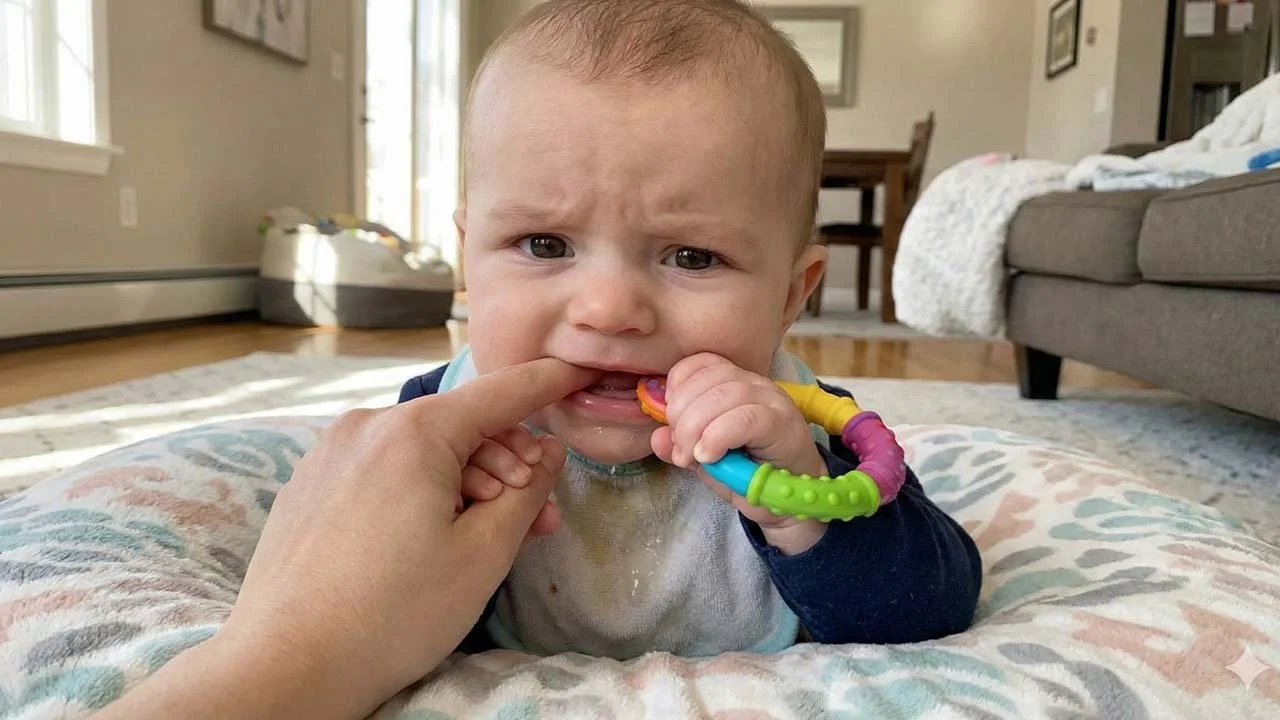
Teething is a challenging developmental stage that can cause discomfort for both babies and parents. By accessing professional guidance from reliable sources like the NHS, parents can learn effective strategies to soothe their baby's sore gums and provide comfort during this difficult period. Understanding the signs of teething and knowing how to manage the associated symptoms can help make this natural process more manageable for the entire family.